
 Mark Luigi
If an unexpected expense — a hospital bill, a car repair, a spike in your medication costs — has suddenly made rent feel out of reach, you’re not alone. Emergency rental assistance programs exist across the country specifically to help people in that exact situation. Here’s a plain-language guide to how these programs work and how to access them.
What Is Emergency Rental Assistance?
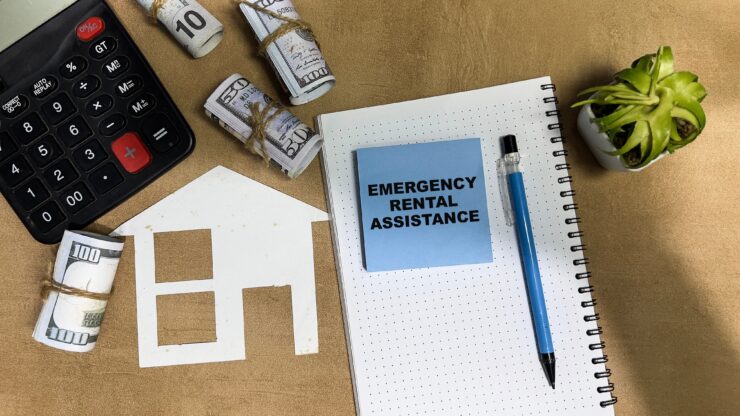
Emergency rental assistance (ERA) is financial help provided by federal, state, or local programs to cover rent and sometimes utility costs when a household is facing genuine hardship. Think of it as a short-term safety net designed to keep people in their homes during difficult stretches.
For seniors on fixed incomes — Social Security, a pension, or a combination of both — even a single large unexpected cost can create a ripple effect. ERA programs are built for exactly these moments.
What Can the Assistance Cover?
Depending on the program and your location, emergency rental assistance may help with:
- Past-due rent (arrears) to prevent eviction
- Current month’s rent
- Future rent, in some cases, for a limited period
- Utility bills such as heating, cooling, and electricity
- Other housing-related costs, depending on the program
Who Qualifies?
Eligibility rules vary by program, but most look at three main factors:
- Income level: Most programs serve households earning at or below 80% of the Area Median Income (AMI). For many seniors living on Social Security alone, this threshold is well within reach.
- Financial hardship: You’ll need to demonstrate that you’re struggling to pay rent due to reduced income, increased expenses, or another qualifying hardship.
- Housing stability risk: If you’ve received an eviction notice or are significantly behind on rent, that will often strengthen your application.
The specifics vary by state and county, so checking with your local program is always the best first step.
How to Apply
The application process doesn’t have to be intimidating. Here’s how to approach it step by step:
- Find your local program: Search “[your county or city] + emergency rental assistance” or visit hud.gov. You can also call 211 any time — it’s free and connects you with local resources.
- Gather your documents: Most applications ask for a government-issued ID, your lease agreement, proof of income (such as your Social Security award letter or bank statements), and documentation of your hardship (such as a past-due notice or medical bill).
- Complete the application honestly: If something is unclear, ask for help. Many local nonprofits and Area Agencies on Aging can assist you in filling out the forms at no cost.
- Follow up: After submitting, respond quickly to any requests for additional information. The faster you respond, the faster assistance can be approved.
Key Programs to Know
- ERAP (Emergency Rental Assistance Program): A federally funded program distributed through states and localities. Programs vary by location, so check your state’s housing website.
- Area Agencies on Aging (AAA): Local AAAs often administer or refer seniors to emergency housing funds. Call 1-800-677-1116 or visit eldercare.acl.gov.
- HUD-approved housing counselors: Free or low-cost counseling to help you understand your options. Find one at hud.gov.
- 211: Call or text 211 to be connected to local emergency housing programs available right now in your area.
Remember: Applying for help is a sign of wisdom, not weakness. These programs were created for people just like you. The sooner you reach out, the more options you’ll have.
Have questions about senior housing or benefits? Explore our Resources section at Smarter Senior Living — we search so you don’t have to.