
 Shelley E
Does the fact that you’re living on a fixed income have you worried? See how a reverse mortgage can help and whether or not it’s the right retirement move for you.
Reverse Mortgages Explained
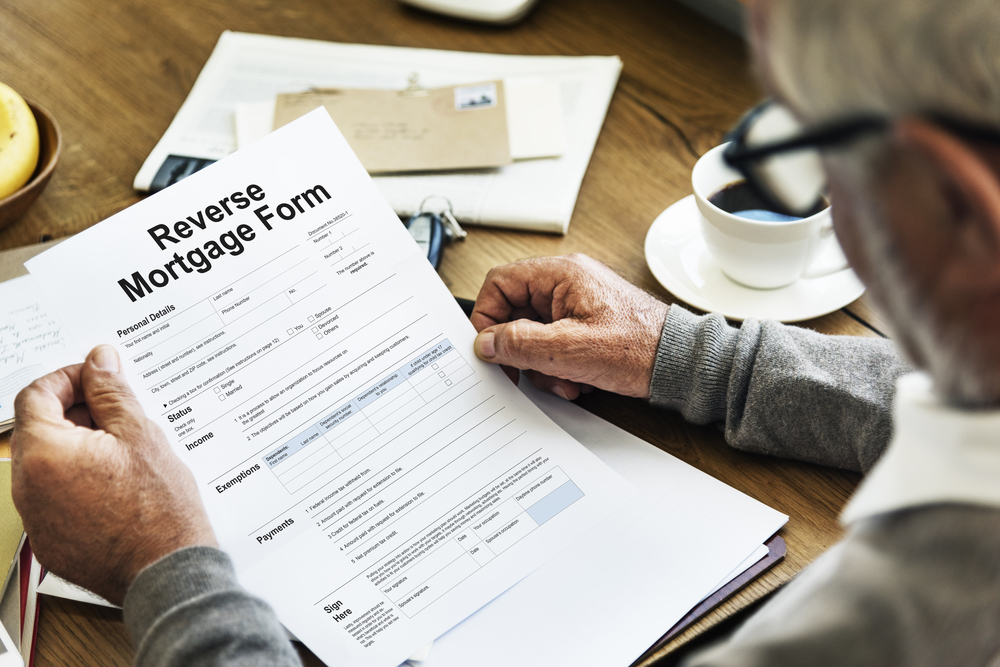
You’re probably familiar with how a traditional mortgage works. You get a loan, and you agree to pay the lender a certain amount each month. As its name suggests, a reverse mortgage works oppositely. You don’t pay the lender every month. Instead, they pay you by allowing you to convert some of your home’s equity into cash.
How much money can you receive per month from a reverse mortgage? That depends on a variety of factors, such as:
- Your age
- Your home’s value
- The current interest rate
Can anyone get a reverse mortgage? No, as some qualifications must be met. For starters, you’ll have to be at least 62 years old. You’ll also need to have equity in your home, which will be used as a basis for the payouts. That home must also be your primary residence.
Should you qualify for the reverse mortgage, you’ll get to keep the title to your home, provided you maintain the house, pay homeowners insurance, and keep up with the property taxes. You’ll also have various options on how to receive the payouts, such as:
- A lump sum
- A monthly payment
- A line of credit
- A combination of them all
It’s worth noting that since reverse mortgages are non-recourse loans, you won’t have to pay more than the home’s worth. And as for when you’ll have to pay back the loan, that’s usually only when you decide to sell it.
The Advantages of a Reverse Mortgage
Many seniors are faced with a dilemma once they retire. They want to remain living in their current home, but the fixed income that comes with retirement can make that difficult. With a reverse mortgage, they can bolster their income to add wiggle room to their budget while not having to move.
Beyond the cash inflow that a reverse mortgage can provide, it’s also easier to secure than other loans. As long as you’re 62 or older, live in the home, and have equity, you should be able to qualify.
The worry that comes with making a monthly payment on a fixed income with a traditional mortgage is also eliminated. As long as you stay in the home without trying to sell it, maintain it, and pay insurance and property taxes, you won’t have to pay the loan back.
Lastly, you can do what you want with the money from your reverse mortgage. There are no restrictions on how you spend it, making it an attractive option for seniors.
The Disadvantages of a Reverse Mortgage
If you’re looking to pass your home on to your children or other heirs, a reverse mortgage may not be your best bet. The loan balance will increase, interest can accumulate, and, in the end, you could end up with less equity than you’d like to pass on.
Since a reverse mortgage is a form of income, it can also disqualify you from certain government benefits, like Supplemental Security Income or Medicaid. That’s worth keeping in mind if you use such programs for a helping hand.
There are also fees linked to reverse mortgages, so you could be looking at a cash outflow to pay the following at the beginning:
- Loan servicing fees
- Mortgage insurance
- Appraisal fee
- Loan origination fee
- Closing costs


 Mark Luigi